Healthcare Wholesale Supplier Selection: Consistency, Communication and Documentation
Wholesale buying rewards operational clarity. Price matters, but a supplier relationship can become expensive if product data is inconsistent, documentation is unclear or communication is slow.

Consistency begins with catalogue data
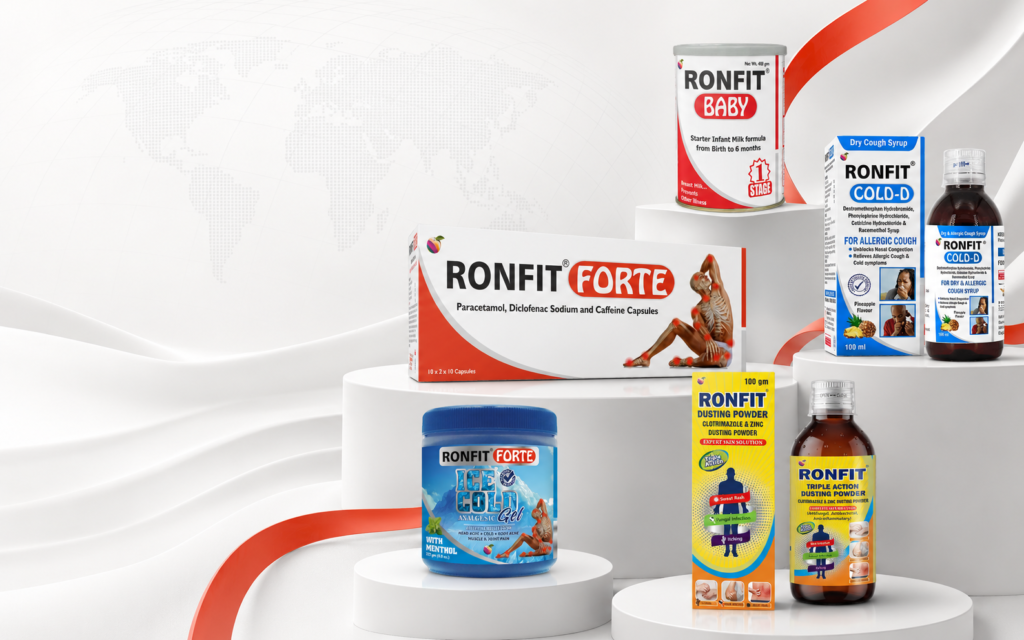
Titles, pack sizes, formats and images should match across catalogues, product pages and documents so warehouse and downstream sales teams work from the same source.
From a commercial point of view, this keeps the evaluation grounded in how the product will actually be bought, presented and supported. It also gives procurement, sales and regulatory colleagues a shared reference point instead of forcing each team to interpret the range differently.
Documentation is part of supply reliability
Wholesalers should know which documents accompany each product and which requirements remain market-specific.
For international business, clarity at this stage reduces avoidable back-and-forth later. The more precisely the buyer defines the requirement, the easier it is to compare options, request the right documents and keep commercial planning aligned with the realities of the destination market.
Communication should have an owner
A named commercial contact reduces the chance that product, artwork and documentation questions disappear into different inboxes.
This is especially important for a multi-category brand because one decision can affect product data, merchandising, artwork, registration and downstream sales materials. A consistent approach makes later updates easier to control across the distributor’s own systems.
Portfolio structure affects warehouse and sales teams
Clear categories and variants help warehouse staff identify products and help sales teams present related items together.
The practical goal is not to add more marketing language; it is to remove uncertainty. Buyers should be able to identify what is confirmed, what belongs to the approved product presentation and what still needs direct territory-specific discussion before a launch decision is made.
Choose fit, then scale
A wholesaler can begin with products that fit its current customer base and expand as demand and operational confidence develop.
Viewed as part of the wider buyer journey, this step helps move the conversation from general interest to a usable shortlist. That is where B2B content becomes valuable: it gives the buyer enough structure to ask better questions and gives the supplier enough context to answer them accurately.
Practical next steps for business buyers
Use the portfolio to create a shortlist, note the exact product names or categories you want to discuss, and prepare the market and channel information needed for a useful response. This creates a cleaner path from online research to a direct business conversation.
- Identify the target market and sales channel.
- Shortlist the relevant categories or exact products.
- Confirm the documentation and labelling questions already known for the territory.
- Use official Ronfit Forte / Ronak Group contact channels for the next step.
Questions business buyers often ask
Is lowest price the best way to choose a healthcare supplier?
Price is important, but documentation, data consistency, communication and portfolio fit affect the total relationship cost.
Why does naming consistency matter to wholesalers?
It reduces catalogue and warehouse confusion.
Can a wholesale range expand later?
Yes. A phased start can reduce operational risk and allow later category expansion.
Business and regulatory note: Availability, approved claims, labelling, documentation, registration requirements and commercial terms can vary by territory. International buyers should confirm market-specific requirements directly before placing an order or making regulatory or consumer-facing representations.
To continue the evaluation, explore the Ronfit Forte product portfolio, review the global business approach, or start a business partnership conversation.