Stage-Based Infant Nutrition Ranges and Why Buyers Prefer Them
Infant nutrition is scrutinised closely by everyone in the chain — importers, pharmacists and parents. Clarity is therefore not a design preference but an operational requirement.
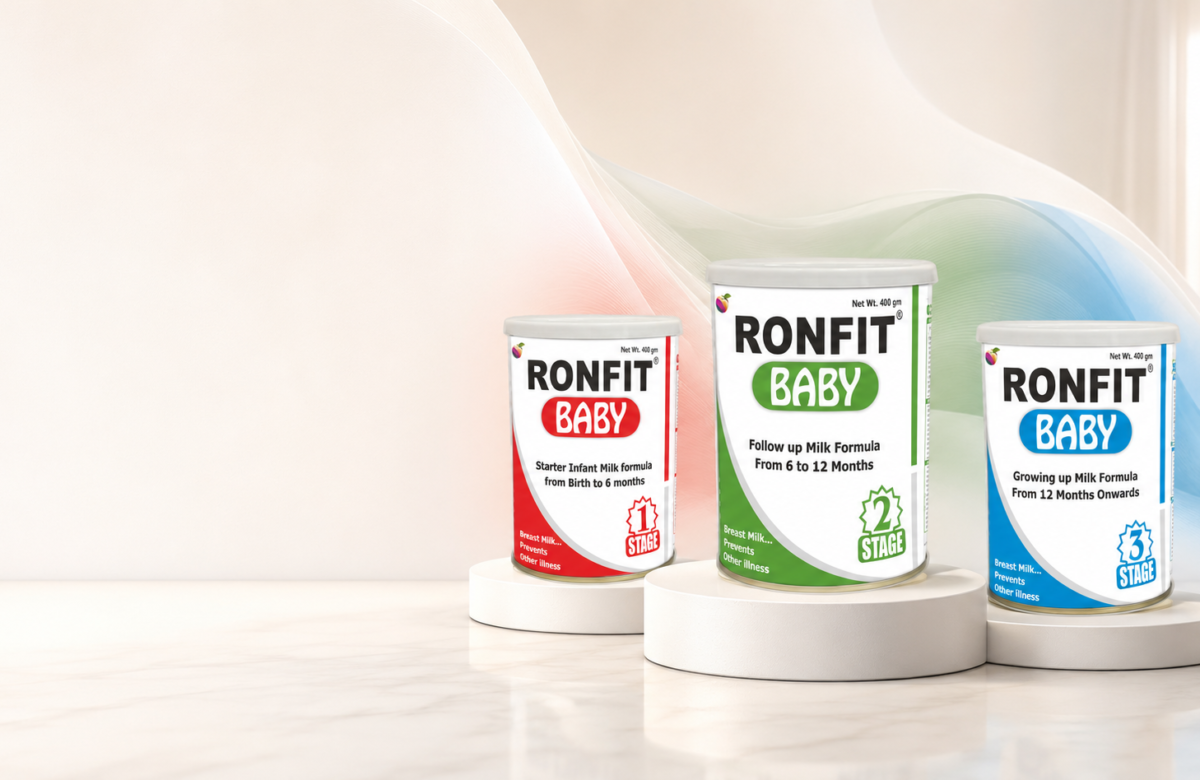
A stage-based structure delivers that clarity. Each pack corresponds to a defined feeding period, occupies its own place in the sequence and can be discussed as a distinct product record rather than a variant of something else.
For buyers, stage structure improves forecasting. Demand behaves differently across stages, and separate records make that visible instead of hiding it inside a single aggregate figure.
For retail teams, the stage number is the whole conversation. When it is the dominant element on the pack, staff can guide a parent to the right product without needing detailed product training.
Merchandised as a progression, a stage range also communicates something useful about the brand: that it intends to accompany a customer over time rather than sell a single item.