
Ronfit Forte logo

Cold, Flu & Nasal Care Products: A B2B Category Planning Guide

Cold, flu and nasal care is a broad business category because it can include multiple dosage forms and pack styles. For distributors, the challenge is to build a range that is understandable, easy to merchandise and appropriate for the local regulatory environment.

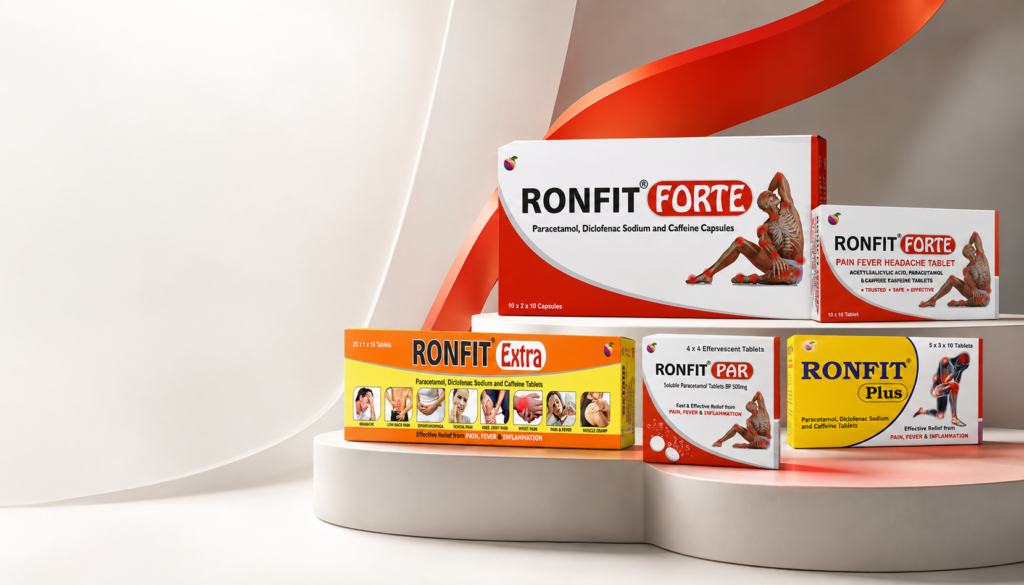
RONFIT COLD Flu Capsules – 10 × 2 × 10

Map the category by format

Group products by format rather than mixing every SKU together. Tablets, capsules, syrups, lozenges and inhaler presentations create different shelf and documentation needs.

From a commercial point of view, this keeps the evaluation grounded in how the product will actually be bought, presented and supported. It also gives procurement, sales and regulatory colleagues a shared reference point instead of forcing each team to interpret the range differently.

Use pack architecture to improve navigation

Consistent master branding combined with clear variant cues helps trade teams distinguish products that may share similar naming.

For international business, clarity at this stage reduces avoidable back-and-forth later. The more precisely the buyer defines the requirement, the easier it is to compare options, request the right documents and keep commercial planning aligned with the realities of the destination market.

Plan for channel differences

A pharmacy buyer may support a wider range than a general retailer, while a wholesaler may prioritise highly recognisable formats. The assortment should match the channel.

This is especially important for a multi-category brand because one decision can affect product data, merchandising, artwork, registration and downstream sales materials. A consistent approach makes later updates easier to control across the distributor’s own systems.

Keep claims tied to approved information

A trade website can describe the category and formats, but medical claims should not be expanded beyond approved product information.

The practical goal is not to add more marketing language; it is to remove uncertainty. Buyers should be able to identify what is confirmed, what belongs to the approved product presentation and what still needs direct territory-specific discussion before a launch decision is made.

Build a category conversation

A buyer who specifies market, channel and preferred formats is easier to support, making the enquiry more useful than a generic request for all cold and flu products.

Viewed as part of the wider buyer journey, this step helps move the conversation from general interest to a usable shortlist. That is where B2B content becomes valuable: it gives the buyer enough structure to ask better questions and gives the supplier enough context to answer them accurately.

Practical next steps for business buyers

Use the portfolio to create a shortlist, note the exact product names or categories you want to discuss, and prepare the market and channel information needed for a useful response. This creates a cleaner path from online research to a direct business conversation.

  • Identify the target market and sales channel.
  • Shortlist the relevant categories or exact products.
  • Confirm the documentation and labelling questions already known for the territory.
  • Use official Ronfit Forte / Ronak Group contact channels for the next step.

Questions business buyers often ask

What formats can appear in a cold and flu portfolio?

Depending on the range, common formats may include tablets, capsules, syrups, lozenges and inhaler presentations.

Should all cold and flu products launch at once?

Not necessarily. A phased assortment can be easier to register, train and merchandise.

Where should approved claims be confirmed?

On formal product documentation and territory-approved labelling, not from generic web copy alone.

Business and regulatory note: Availability, approved claims, labelling, documentation, registration requirements and commercial terms can vary by territory. International buyers should confirm market-specific requirements directly before placing an order or making regulatory or consumer-facing representations.

To continue the evaluation, explore the Ronfit Forte product portfolio, review the global business approach, or start a business partnership conversation.

Pharmacy Network Procurement: How to Review a Healthcare Portfolio Efficiently

Pharmacy procurement teams need a way to move from a broad supplier catalogue to a shortlist that can be evaluated operationally. A useful method is to review the range in layers: category relevance, product presentation, documentation, merchandising and supplier responsiveness.

Pharmacy Network Procurement: How to Review a Healthcare Portfolio Efficiently

Begin with category gaps

Identify where the current assortment is weak, over-dependent on one supplier or missing a format, then review the supplier portfolio against those gaps.

From a commercial point of view, this keeps the evaluation grounded in how the product will actually be bought, presented and supported. It also gives procurement, sales and regulatory colleagues a shared reference point instead of forcing each team to interpret the range differently.

Shortlist by presentation

Compare pack size, dosage form, naming and shelf visibility so internal teams can recognise the family consistently.

For international business, clarity at this stage reduces avoidable back-and-forth later. The more precisely the buyer defines the requirement, the easier it is to compare options, request the right documents and keep commercial planning aligned with the realities of the destination market.

Coordinate commercial and regulatory review

Share the same shortlist across procurement, quality and regulatory teams so commercial interest does not get ahead of feasibility.

This is especially important for a multi-category brand because one decision can affect product data, merchandising, artwork, registration and downstream sales materials. A consistent approach makes later updates easier to control across the distributor’s own systems.

Assess support beyond listing

Networks may need product data, images, category descriptions and responsive contact support as the range is introduced across stores.

The practical goal is not to add more marketing language; it is to remove uncertainty. Buyers should be able to identify what is confirmed, what belongs to the approved product presentation and what still needs direct territory-specific discussion before a launch decision is made.

Use direct enquiry for unresolved questions

If the site does not publish a territory-specific detail, ask rather than assume. Market status, documents and availability are better handled directly.

Viewed as part of the wider buyer journey, this step helps move the conversation from general interest to a usable shortlist. That is where B2B content becomes valuable: it gives the buyer enough structure to ask better questions and gives the supplier enough context to answer them accurately.

Practical next steps for business buyers

Use the portfolio to create a shortlist, note the exact product names or categories you want to discuss, and prepare the market and channel information needed for a useful response. This creates a cleaner path from online research to a direct business conversation.

  • Identify the target market and sales channel.
  • Shortlist the relevant categories or exact products.
  • Confirm the documentation and labelling questions already known for the territory.
  • Use official Ronfit Forte / Ronak Group contact channels for the next step.

Questions business buyers often ask

Should a pharmacy network review the whole catalogue at once?

It is usually more efficient to begin with category gaps and shortlist relevant products.

Why should regulatory teams see the same shortlist?

It aligns commercial interest with registration and documentation feasibility early.

Are website product pages enough for procurement approval?

No. Formal product and market documentation should support the final decision.

Business and regulatory note: Availability, approved claims, labelling, documentation, registration requirements and commercial terms can vary by territory. International buyers should confirm market-specific requirements directly before placing an order or making regulatory or consumer-facing representations.

To continue the evaluation, explore the Ronfit Forte product portfolio, review the global business approach, or start a business partnership conversation.

Packaging Consistency in Healthcare: Why It Matters for Distributors

In B2B healthcare, packaging is a working tool. It appears in sales decks, distributor catalogues, regulatory files, warehouse systems and retail shelves. When the brand architecture is consistent, every team in that chain has an easier time recognising products.

Packaging Consistency in Healthcare: Why It Matters for Distributors

Consistency is not sameness

A product family should keep the master brand recognisable while allowing clear differences between categories and variants.

From a commercial point of view, this keeps the evaluation grounded in how the product will actually be bought, presented and supported. It also gives procurement, sales and regulatory colleagues a shared reference point instead of forcing each team to interpret the range differently.

Distributor sales teams benefit first

Sales representatives often work from catalogues and phone screens, so consistent pack images help them identify the right product quickly.

For international business, clarity at this stage reduces avoidable back-and-forth later. The more precisely the buyer defines the requirement, the easier it is to compare options, request the right documents and keep commercial planning aligned with the realities of the destination market.

B2B portals need clean imagery

Original packshots, correct colours, accurate proportions and useful alt text help prevent mismatches between website and physical goods.

This is especially important for a multi-category brand because one decision can affect product data, merchandising, artwork, registration and downstream sales materials. A consistent approach makes later updates easier to control across the distributor’s own systems.

Packaging consistency supports merchandising

Retailers and pharmacy networks can create cleaner category blocks when related products look like a family.

The practical goal is not to add more marketing language; it is to remove uncertainty. Buyers should be able to identify what is confirmed, what belongs to the approved product presentation and what still needs direct territory-specific discussion before a launch decision is made.

Treat artwork as controlled content

Market-required changes need a defined artwork process and appropriate review rather than casual local editing.

Viewed as part of the wider buyer journey, this step helps move the conversation from general interest to a usable shortlist. That is where B2B content becomes valuable: it gives the buyer enough structure to ask better questions and gives the supplier enough context to answer them accurately.

Practical next steps for business buyers

Use the portfolio to create a shortlist, note the exact product names or categories you want to discuss, and prepare the market and channel information needed for a useful response. This creates a cleaner path from online research to a direct business conversation.

  • Identify the target market and sales channel.
  • Shortlist the relevant categories or exact products.
  • Confirm the documentation and labelling questions already known for the territory.
  • Use official Ronfit Forte / Ronak Group contact channels for the next step.

Questions business buyers often ask

Does packaging consistency mean all products use the same colour?

No. A brand can keep a consistent architecture while using distinct category or variant colours.

Why avoid recreating packaging for website images?

Recreated packs can introduce text, colour or proportion errors.

Who should approve market-specific artwork changes?

The supplier and relevant regulatory or authorised stakeholders should review required changes before use.

Business and regulatory note: Availability, approved claims, labelling, documentation, registration requirements and commercial terms can vary by territory. International buyers should confirm market-specific requirements directly before placing an order or making regulatory or consumer-facing representations.

To continue the evaluation, explore the Ronfit Forte product portfolio, review the global business approach, or start a business partnership conversation.

How Distributors Can Build a Category-Led Healthcare Assortment

A category-led assortment gives a distributor a clearer commercial story than a random list of products. It helps the sales team explain the range and helps procurement compare suppliers.

How Distributors Can Build a Category-Led Healthcare Assortment

Define the channel

Start with the customers you actually serve. A pharmacy-heavy business will build differently from a general wholesaler or modern retail supplier.

From a commercial point of view, this keeps the evaluation grounded in how the product will actually be bought, presented and supported. It also gives procurement, sales and regulatory colleagues a shared reference point instead of forcing each team to interpret the range differently.

Choose priority categories

Identify categories where the distributor already has buyer relationships or wants to build depth, considering demand, sales knowledge and regulatory feasibility.

For international business, clarity at this stage reduces avoidable back-and-forth later. The more precisely the buyer defines the requirement, the easier it is to compare options, request the right documents and keep commercial planning aligned with the realities of the destination market.

Select a balanced format mix

Within each category, choose formats that complement one another without becoming repetitive.

This is especially important for a multi-category brand because one decision can affect product data, merchandising, artwork, registration and downstream sales materials. A consistent approach makes later updates easier to control across the distributor’s own systems.

Validate documents and data

Before finalising the commercial scope, confirm pack details, product names, available documents and market-specific requirements.

The practical goal is not to add more marketing language; it is to remove uncertainty. Buyers should be able to identify what is confirmed, what belongs to the approved product presentation and what still needs direct territory-specific discussion before a launch decision is made.

Plan expansion intentionally

Once the initial category is established, review adjacent categories based on buyer response and operational readiness.

Viewed as part of the wider buyer journey, this step helps move the conversation from general interest to a usable shortlist. That is where B2B content becomes valuable: it gives the buyer enough structure to ask better questions and gives the supplier enough context to answer them accurately.

Practical next steps for business buyers

Use the portfolio to create a shortlist, note the exact product names or categories you want to discuss, and prepare the market and channel information needed for a useful response. This creates a cleaner path from online research to a direct business conversation.

  • Identify the target market and sales channel.
  • Shortlist the relevant categories or exact products.
  • Confirm the documentation and labelling questions already known for the territory.
  • Use official Ronfit Forte / Ronak Group contact channels for the next step.

Questions business buyers often ask

Should a distributor launch every available category?

No. A focused assortment often creates a clearer first launch.

How do I choose priority categories?

Use channel demand, buyer relationships, regulatory feasibility and sales capability.

Why validate product data before commitment?

Accurate names, packs and documentation help avoid later operational and registration problems.

Business and regulatory note: Availability, approved claims, labelling, documentation, registration requirements and commercial terms can vary by territory. International buyers should confirm market-specific requirements directly before placing an order or making regulatory or consumer-facing representations.

To continue the evaluation, explore the Ronfit Forte product portfolio, review the global business approach, or start a business partnership conversation.
Global Healthcare Partnerships Without Market Assumptions: A Better B2B Approach

An international healthcare website should communicate ambition without pretending that every product is approved, available or distributed everywhere. The more credible approach is to show the portfolio clearly and move market-specific questions into direct business discussion.

Global Healthcare Partnerships Without Market Assumptions: A Better B2B Approach

Global orientation is not global presence

A brand can be designed for international business without claiming active distribution in countries where that has not been confirmed.

From a commercial point of view, this keeps the evaluation grounded in how the product will actually be bought, presented and supported. It also gives procurement, sales and regulatory colleagues a shared reference point instead of forcing each team to interpret the range differently.

Availability should be discussed by market

Product availability may depend on registration, documentation, commercial scope and logistics, so direct confirmation is more accurate.

For international business, clarity at this stage reduces avoidable back-and-forth later. The more precisely the buyer defines the requirement, the easier it is to compare options, request the right documents and keep commercial planning aligned with the realities of the destination market.

Documentation should not be generalised

Regulatory documents and registration pathways vary by category and country, so global statements should be handled carefully.

This is especially important for a multi-category brand because one decision can affect product data, merchandising, artwork, registration and downstream sales materials. A consistent approach makes later updates easier to control across the distributor’s own systems.

Use the website to qualify business interest

A strong B2B site helps visitors understand the product categories, brand relationship and enquiry process without trying to answer every territory question.

The practical goal is not to add more marketing language; it is to remove uncertainty. Buyers should be able to identify what is confirmed, what belongs to the approved product presentation and what still needs direct territory-specific discussion before a launch decision is made.

Partnership is a conversation

Buyers bring market knowledge while the supplier brings product, brand and documentation knowledge; the useful decision comes from combining both.

Viewed as part of the wider buyer journey, this step helps move the conversation from general interest to a usable shortlist. That is where B2B content becomes valuable: it gives the buyer enough structure to ask better questions and gives the supplier enough context to answer them accurately.

Practical next steps for business buyers

Use the portfolio to create a shortlist, note the exact product names or categories you want to discuss, and prepare the market and channel information needed for a useful response. This creates a cleaner path from online research to a direct business conversation.

  • Identify the target market and sales channel.
  • Shortlist the relevant categories or exact products.
  • Confirm the documentation and labelling questions already known for the territory.
  • Use official Ronfit Forte / Ronak Group contact channels for the next step.

Questions business buyers often ask

Can a global website list countries without confirmed distribution?

It is better to avoid implying active presence unless it is verified.

Why keep availability out of static web copy?

Availability can change by product, market and regulatory status.

What should a global B2B website do well?

Show the portfolio, explain the partnership model and make it easy for qualified buyers to start a relevant conversation.

Business and regulatory note: Availability, approved claims, labelling, documentation, registration requirements and commercial terms can vary by territory. International buyers should confirm market-specific requirements directly before placing an order or making regulatory or consumer-facing representations.

To continue the evaluation, explore the Ronfit Forte product portfolio, review the global business approach, or start a business partnership conversation.

How to Evaluate a Healthcare Brand Before Becoming a Distributor

Before taking on a healthcare brand, a distributor has to judge more than the products themselves. The partnership must make sense across portfolio structure, documentation, communication, presentation and the realities of the target market. A strong first evaluation reduces rework later and gives both sides a clearer basis for deciding whether to proceed.

How to Evaluate a Healthcare Brand Before Becoming a Distributor

Start with channel and category fit

A pharmacy network, national importer, wholesale trader and modern retail chain may all evaluate the same range differently. The first question is which parts of the portfolio make sense for the buyer’s channel, shelf space, sales-force knowledge and existing customer relationships.

From a commercial point of view, this keeps the evaluation grounded in how the product will actually be bought, presented and supported. It also gives procurement, sales and regulatory colleagues a shared reference point instead of forcing each team to interpret the range differently.

Review packaging as a business system

Packaging affects recognition, shelf navigation, sales presentations and the ability of a distributor team to explain the range quickly. Consistent brand architecture makes it easier to distinguish product families while preserving an overall identity.

For international business, clarity at this stage reduces avoidable back-and-forth later. The more precisely the buyer defines the requirement, the easier it is to compare options, request the right documents and keep commercial planning aligned with the realities of the destination market.

Ask about documentation early

Documentation requirements differ by territory. A serious distributor should identify the required product, company and regulatory documents before assuming that a launch timeline is achievable.

This is especially important for a multi-category brand because one decision can affect product data, merchandising, artwork, registration and downstream sales materials. A consistent approach makes later updates easier to control across the distributor’s own systems.

Evaluate responsiveness and ownership

A good portfolio can still become difficult to work with if enquiries move through unclear channels. Buyers should understand who owns the relationship, how questions are escalated and how product or documentation updates are communicated.

The practical goal is not to add more marketing language; it is to remove uncertainty. Buyers should be able to identify what is confirmed, what belongs to the approved product presentation and what still needs direct territory-specific discussion before a launch decision is made.

Think beyond the first order

Distribution partnerships are operational relationships. Future product additions, updated artwork, regulatory changes, merchandising assets and market feedback all require coordination, so long-term support matters as much as the initial sale.

Viewed as part of the wider buyer journey, this step helps move the conversation from general interest to a usable shortlist. That is where B2B content becomes valuable: it gives the buyer enough structure to ask better questions and gives the supplier enough context to answer them accurately.

Practical next steps for business buyers

Use the portfolio to create a shortlist, note the exact product names or categories you want to discuss, and prepare the market and channel information needed for a useful response. This creates a cleaner path from online research to a direct business conversation.

  • Identify the target market and sales channel.
  • Shortlist the relevant categories or exact products.
  • Confirm the documentation and labelling questions already known for the territory.
  • Use official Ronfit Forte / Ronak Group contact channels for the next step.

Questions business buyers often ask

Should a distributor evaluate every SKU before contacting the brand?

No. A first shortlist by category is usually enough to begin a productive discussion.

What is the most important documentation question?

Ask what documents are available for the exact products and territory you intend to register or distribute.

Why does packaging consistency matter to distributors?

It helps sales, procurement and retail teams recognise the range and present it more coherently across channels.

Business and regulatory note: Availability, approved claims, labelling, documentation, registration requirements and commercial terms can vary by territory. International buyers should confirm market-specific requirements directly before placing an order or making regulatory or consumer-facing representations.

To continue the evaluation, explore the Ronfit Forte product portfolio, review the global business approach, or start a business partnership conversation.

Multi-Category Healthcare Portfolio: Why Range Structure Matters to Buyers

Portfolio breadth is useful only when buyers can understand it quickly. For distributors and pharmacy networks, a multi-category healthcare range should behave like a system: clear groupings, recognisable naming, consistent product imagery and formats that can be explained without a long training session.

Multi-Category Healthcare Portfolio: Why Range Structure Matters to Buyers

Structure reduces decision friction

Buyers rarely evaluate every product at the same depth on day one. They scan categories, identify familiar commercial spaces and then drill into a smaller set of products. A structured range supports that natural buying behaviour.

From a commercial point of view, this keeps the evaluation grounded in how the product will actually be bought, presented and supported. It also gives procurement, sales and regulatory colleagues a shared reference point instead of forcing each team to interpret the range differently.

Category architecture supports merchandising

Merchandising begins with how the brand is organised in trade catalogues, sales presentations and product data. A consistent category architecture gives sales teams a repeatable way to tell the brand story.

For international business, clarity at this stage reduces avoidable back-and-forth later. The more precisely the buyer defines the requirement, the easier it is to compare options, request the right documents and keep commercial planning aligned with the realities of the destination market.

Breadth should not become clutter

A large portfolio can become difficult to sell when naming and visuals do not guide the buyer. The stronger approach is to create clear families and allow buyers to enter the portfolio from the category most relevant to them.

This is especially important for a multi-category brand because one decision can affect product data, merchandising, artwork, registration and downstream sales materials. A consistent approach makes later updates easier to control across the distributor’s own systems.

Use the portfolio to plan phased expansion

Once a distributor has established one category, adjacent categories can become easier to evaluate because the brand, contact process and presentation system are already familiar.

The practical goal is not to add more marketing language; it is to remove uncertainty. Buyers should be able to identify what is confirmed, what belongs to the approved product presentation and what still needs direct territory-specific discussion before a launch decision is made.

Request the right trade assets

Buyers should ask for current category catalogues, high-resolution product images, pack details and territory-relevant documentation so commercial and regulatory teams can evaluate the same range from different perspectives.

Viewed as part of the wider buyer journey, this step helps move the conversation from general interest to a usable shortlist. That is where B2B content becomes valuable: it gives the buyer enough structure to ask better questions and gives the supplier enough context to answer them accurately.

Practical next steps for business buyers

Use the portfolio to create a shortlist, note the exact product names or categories you want to discuss, and prepare the market and channel information needed for a useful response. This creates a cleaner path from online research to a direct business conversation.

  • Identify the target market and sales channel.
  • Shortlist the relevant categories or exact products.
  • Confirm the documentation and labelling questions already known for the territory.
  • Use official Ronfit Forte / Ronak Group contact channels for the next step.

Questions business buyers often ask

Does a broader portfolio always mean a better supplier?

No. Clarity, relevance and support are more important than SKU count alone.

Why are category pages useful for B2B buyers?

They let buyers review related products together and compare formats without searching the entire catalogue.

Can category structure help a sales team?

Yes. It gives the sales team a repeatable way to present the range and focus discussions on buyer needs.

Business and regulatory note: Availability, approved claims, labelling, documentation, registration requirements and commercial terms can vary by territory. International buyers should confirm market-specific requirements directly before placing an order or making regulatory or consumer-facing representations.

To continue the evaluation, explore the Ronfit Forte product portfolio, review the global business approach, or start a business partnership conversation.

Paediatric Care Products for Distributors: Building a Clear Shelf Architecture

Paediatric healthcare products need clear differentiation. Buyers, pharmacists and sales teams should be able to tell one presentation from another without relying on memory or fine print.

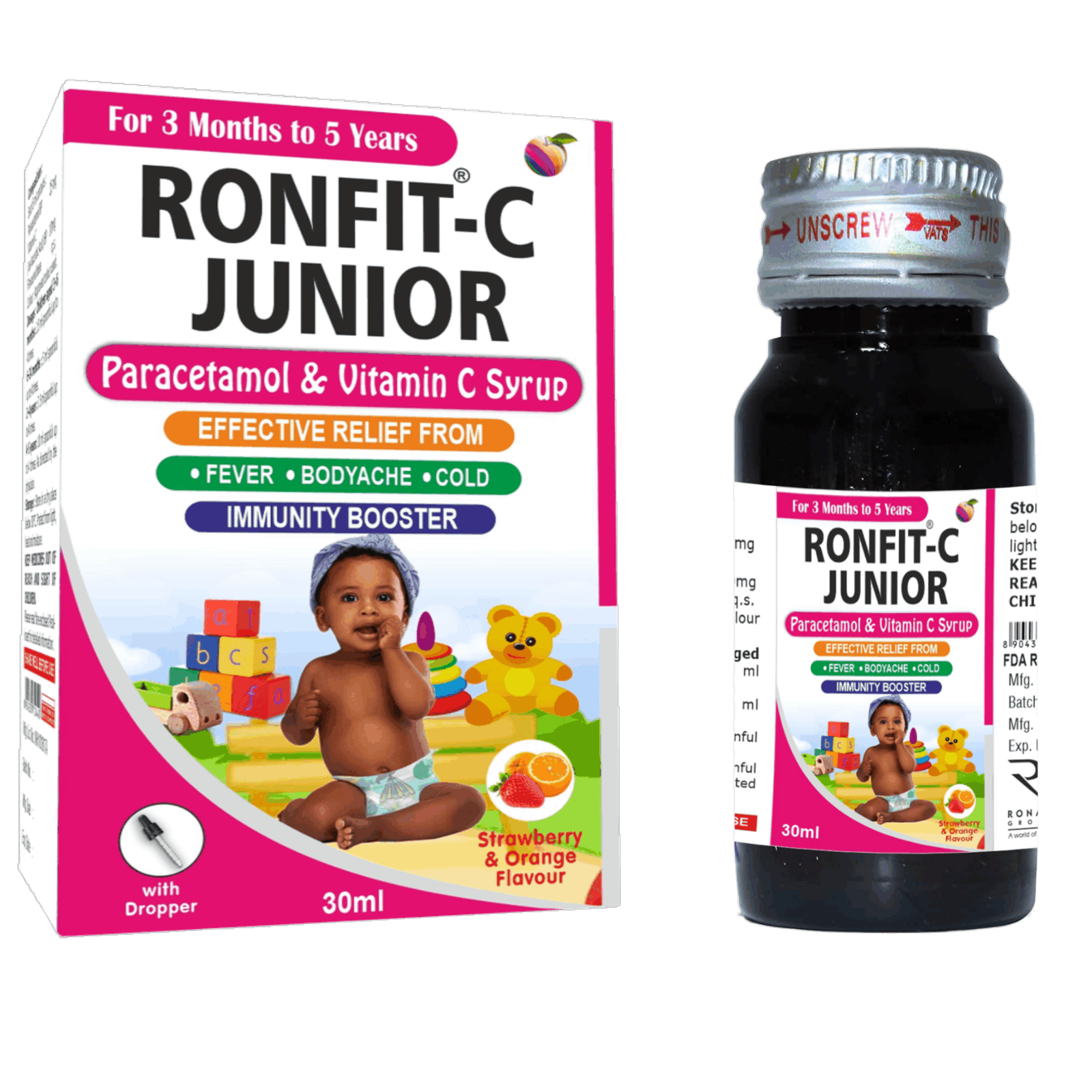
RONFIT-C Junior Paracetamol & Vitamin C Syrup 30 ml

Clarity starts with naming

Consistent product naming helps trade buyers distinguish variants and formats, especially when several syrups or age-oriented presentations sit within the same family.

From a commercial point of view, this keeps the evaluation grounded in how the product will actually be bought, presented and supported. It also gives procurement, sales and regulatory colleagues a shared reference point instead of forcing each team to interpret the range differently.

Age and pack presentation must remain controlled

Where age ranges or other instructions appear on approved packaging, distributors should preserve that information exactly and avoid creating new claims.

For international business, clarity at this stage reduces avoidable back-and-forth later. The more precisely the buyer defines the requirement, the easier it is to compare options, request the right documents and keep commercial planning aligned with the realities of the destination market.

Format matters to channel planning

Bottle size, carton size and dispensing presentation affect stocking, display and sales explanation, so pharmacy and wholesale buyers may evaluate the same product differently.

This is especially important for a multi-category brand because one decision can affect product data, merchandising, artwork, registration and downstream sales materials. A consistent approach makes later updates easier to control across the distributor’s own systems.

Build category materials for the buyer

A distributor-facing category page should show related products together, use clear pack images and avoid unnecessary medical imagery outside the packaging.

The practical goal is not to add more marketing language; it is to remove uncertainty. Buyers should be able to identify what is confirmed, what belongs to the approved product presentation and what still needs direct territory-specific discussion before a launch decision is made.

Move from category review to market discussion

After identifying the relevant products, buyers should confirm documentation, availability and any market-specific labelling requirements.

Viewed as part of the wider buyer journey, this step helps move the conversation from general interest to a usable shortlist. That is where B2B content becomes valuable: it gives the buyer enough structure to ask better questions and gives the supplier enough context to answer them accurately.

Practical next steps for business buyers

Use the portfolio to create a shortlist, note the exact product names or categories you want to discuss, and prepare the market and channel information needed for a useful response. This creates a cleaner path from online research to a direct business conversation.

  • Identify the target market and sales channel.
  • Shortlist the relevant categories or exact products.
  • Confirm the documentation and labelling questions already known for the territory.
  • Use official Ronfit Forte / Ronak Group contact channels for the next step.

Questions business buyers often ask

Why is pack differentiation important in paediatric ranges?

It helps trade teams distinguish products and reduces confusion in catalogue, shelf and sales presentation contexts.

Can a distributor create new paediatric claims?

Only claims permitted by the applicable approval and market rules should be used.

What should a buyer include in a paediatric enquiry?

Market, channel, products of interest and the documentation or registration questions already identified.

Business and regulatory note: Availability, approved claims, labelling, documentation, registration requirements and commercial terms can vary by territory. International buyers should confirm market-specific requirements directly before placing an order or making regulatory or consumer-facing representations.

To continue the evaluation, explore the Ronfit Forte product portfolio, review the global business approach, or start a business partnership conversation.