Ronfit Forte logo

Product Documentation for Healthcare Distribution: What to Confirm by Territory

Healthcare product documentation should be reviewed as a territory-specific workstream. A certificate or label accepted in one market may not meet the requirements of another, and different product categories can follow different regulatory pathways.

Product Documentation for Healthcare Distribution: What to Confirm by Territory

Start with product identity

Use the exact product title, format, pack size and SKU in all documentation requests so the correct regulatory file is matched.

From a commercial point of view, this keeps the evaluation grounded in how the product will actually be bought, presented and supported. It also gives procurement, sales and regulatory colleagues a shared reference point instead of forcing each team to interpret the range differently.

Map the local authority and pathway

Identify the responsible authority, product classification, application type, label rules and any importer obligations.

For international business, clarity at this stage reduces avoidable back-and-forth later. The more precisely the buyer defines the requirement, the easier it is to compare options, request the right documents and keep commercial planning aligned with the realities of the destination market.

Separate supplier documents from importer documents

Some documents come from the brand or manufacturer while others belong to the local importer or applicant, so responsibilities should be mapped.

This is especially important for a multi-category brand because one decision can affect product data, merchandising, artwork, registration and downstream sales materials. A consistent approach makes later updates easier to control across the distributor’s own systems.

Confirm artwork and language requirements

Local-language information, importer details or other label elements should be agreed before printing or shipment.

The practical goal is not to add more marketing language; it is to remove uncertainty. Buyers should be able to identify what is confirmed, what belongs to the approved product presentation and what still needs direct territory-specific discussion before a launch decision is made.

Keep commercial timing realistic

Registration and documentation work can affect launch timing, so dates should not be promised before the pathway is understood.

Viewed as part of the wider buyer journey, this step helps move the conversation from general interest to a usable shortlist. That is where B2B content becomes valuable: it gives the buyer enough structure to ask better questions and gives the supplier enough context to answer them accurately.

Practical next steps for business buyers

Use the portfolio to create a shortlist, note the exact product names or categories you want to discuss, and prepare the market and channel information needed for a useful response. This creates a cleaner path from online research to a direct business conversation.

  • Identify the target market and sales channel.
  • Shortlist the relevant categories or exact products.
  • Confirm the documentation and labelling questions already known for the territory.
  • Use official Ronfit Forte / Ronak Group contact channels for the next step.

Questions business buyers often ask

Are healthcare documents universal?

No. Requirements vary by product category and destination market.

Who should identify local requirements?

The local importer, regulatory adviser or responsible market professional should map the applicable requirements.

Why use exact product names?

It helps ensure the documents and artwork correspond to the exact SKU being evaluated.

Business and regulatory note: Availability, approved claims, labelling, documentation, registration requirements and commercial terms can vary by territory. International buyers should confirm market-specific requirements directly before placing an order or making regulatory or consumer-facing representations.

To continue the evaluation, explore the Ronfit Forte product portfolio, review the global business approach, or start a business partnership conversation.

Healthcare Wholesale Supplier Selection: Consistency, Communication and Documentation

Wholesale buying rewards operational clarity. Price matters, but a supplier relationship can become expensive if product data is inconsistent, documentation is unclear or communication is slow.

Healthcare Wholesale Supplier Selection: Consistency, Communication and Documentation

Consistency begins with catalogue data

Titles, pack sizes, formats and images should match across catalogues, product pages and documents so warehouse and downstream sales teams work from the same source.

From a commercial point of view, this keeps the evaluation grounded in how the product will actually be bought, presented and supported. It also gives procurement, sales and regulatory colleagues a shared reference point instead of forcing each team to interpret the range differently.

Documentation is part of supply reliability

Wholesalers should know which documents accompany each product and which requirements remain market-specific.

For international business, clarity at this stage reduces avoidable back-and-forth later. The more precisely the buyer defines the requirement, the easier it is to compare options, request the right documents and keep commercial planning aligned with the realities of the destination market.

Communication should have an owner

A named commercial contact reduces the chance that product, artwork and documentation questions disappear into different inboxes.

This is especially important for a multi-category brand because one decision can affect product data, merchandising, artwork, registration and downstream sales materials. A consistent approach makes later updates easier to control across the distributor’s own systems.

Portfolio structure affects warehouse and sales teams

Clear categories and variants help warehouse staff identify products and help sales teams present related items together.

The practical goal is not to add more marketing language; it is to remove uncertainty. Buyers should be able to identify what is confirmed, what belongs to the approved product presentation and what still needs direct territory-specific discussion before a launch decision is made.

Choose fit, then scale

A wholesaler can begin with products that fit its current customer base and expand as demand and operational confidence develop.

Viewed as part of the wider buyer journey, this step helps move the conversation from general interest to a usable shortlist. That is where B2B content becomes valuable: it gives the buyer enough structure to ask better questions and gives the supplier enough context to answer them accurately.

Practical next steps for business buyers

Use the portfolio to create a shortlist, note the exact product names or categories you want to discuss, and prepare the market and channel information needed for a useful response. This creates a cleaner path from online research to a direct business conversation.

  • Identify the target market and sales channel.
  • Shortlist the relevant categories or exact products.
  • Confirm the documentation and labelling questions already known for the territory.
  • Use official Ronfit Forte / Ronak Group contact channels for the next step.

Questions business buyers often ask

Is lowest price the best way to choose a healthcare supplier?

Price is important, but documentation, data consistency, communication and portfolio fit affect the total relationship cost.

Why does naming consistency matter to wholesalers?

It reduces catalogue and warehouse confusion.

Can a wholesale range expand later?

Yes. A phased start can reduce operational risk and allow later category expansion.

Business and regulatory note: Availability, approved claims, labelling, documentation, registration requirements and commercial terms can vary by territory. International buyers should confirm market-specific requirements directly before placing an order or making regulatory or consumer-facing representations.

To continue the evaluation, explore the Ronfit Forte product portfolio, review the global business approach, or start a business partnership conversation.
Business Enquiry Checklist for Healthcare Importers and Wholesalers

A good business enquiry saves time on both sides. It does not need to be long, but it should provide enough context for the supplier to understand the opportunity.

Business Enquiry Checklist for Healthcare Importers and Wholesalers

State your market

Tell the supplier the country or territory where the products will be evaluated because market context affects registration, labelling and availability.

From a commercial point of view, this keeps the evaluation grounded in how the product will actually be bought, presented and supported. It also gives procurement, sales and regulatory colleagues a shared reference point instead of forcing each team to interpret the range differently.

Explain your business role and channel

Identify whether you are an importer, distributor, wholesaler, pharmacy network, retail chain or another healthcare business.

For international business, clarity at this stage reduces avoidable back-and-forth later. The more precisely the buyer defines the requirement, the easier it is to compare options, request the right documents and keep commercial planning aligned with the realities of the destination market.

Name categories or products of interest

A category shortlist helps the supplier respond with the most relevant information and is more useful than a generic request for all products.

This is especially important for a multi-category brand because one decision can affect product data, merchandising, artwork, registration and downstream sales materials. A consistent approach makes later updates easier to control across the distributor’s own systems.

Share documentation questions

If your regulatory team already knows which documents are required, include that list to reduce back-and-forth.

The practical goal is not to add more marketing language; it is to remove uncertainty. Buyers should be able to identify what is confirmed, what belongs to the approved product presentation and what still needs direct territory-specific discussion before a launch decision is made.

Give a named contact and next step

Include the person responsible for the enquiry and a preferred way to continue the conversation.

Viewed as part of the wider buyer journey, this step helps move the conversation from general interest to a usable shortlist. That is where B2B content becomes valuable: it gives the buyer enough structure to ask better questions and gives the supplier enough context to answer them accurately.

Practical next steps for business buyers

Use the portfolio to create a shortlist, note the exact product names or categories you want to discuss, and prepare the market and channel information needed for a useful response. This creates a cleaner path from online research to a direct business conversation.

  • Identify the target market and sales channel.
  • Shortlist the relevant categories or exact products.
  • Confirm the documentation and labelling questions already known for the territory.
  • Use official Ronfit Forte / Ronak Group contact channels for the next step.

Questions business buyers often ask

Do I need to include order quantity immediately?

Only if it is already known. Market, channel and product interest are often more important at the start.

Should I ask for price before documents?

You can discuss commercial terms, but understanding product and documentation fit first usually makes pricing more useful.

Can I enquire about several categories at once?

Yes. List the priority categories so the supplier can organise the response.

Business and regulatory note: Availability, approved claims, labelling, documentation, registration requirements and commercial terms can vary by territory. International buyers should confirm market-specific requirements directly before placing an order or making regulatory or consumer-facing representations.

To continue the evaluation, explore the Ronfit Forte product portfolio, review the global business approach, or start a business partnership conversation.
Global Healthcare Partnerships Without Market Assumptions: A Better B2B Approach

An international healthcare website should communicate ambition without pretending that every product is approved, available or distributed everywhere. The more credible approach is to show the portfolio clearly and move market-specific questions into direct business discussion.

Global Healthcare Partnerships Without Market Assumptions: A Better B2B Approach

Global orientation is not global presence

A brand can be designed for international business without claiming active distribution in countries where that has not been confirmed.

From a commercial point of view, this keeps the evaluation grounded in how the product will actually be bought, presented and supported. It also gives procurement, sales and regulatory colleagues a shared reference point instead of forcing each team to interpret the range differently.

Availability should be discussed by market

Product availability may depend on registration, documentation, commercial scope and logistics, so direct confirmation is more accurate.

For international business, clarity at this stage reduces avoidable back-and-forth later. The more precisely the buyer defines the requirement, the easier it is to compare options, request the right documents and keep commercial planning aligned with the realities of the destination market.

Documentation should not be generalised

Regulatory documents and registration pathways vary by category and country, so global statements should be handled carefully.

This is especially important for a multi-category brand because one decision can affect product data, merchandising, artwork, registration and downstream sales materials. A consistent approach makes later updates easier to control across the distributor’s own systems.

Use the website to qualify business interest

A strong B2B site helps visitors understand the product categories, brand relationship and enquiry process without trying to answer every territory question.

The practical goal is not to add more marketing language; it is to remove uncertainty. Buyers should be able to identify what is confirmed, what belongs to the approved product presentation and what still needs direct territory-specific discussion before a launch decision is made.

Partnership is a conversation

Buyers bring market knowledge while the supplier brings product, brand and documentation knowledge; the useful decision comes from combining both.

Viewed as part of the wider buyer journey, this step helps move the conversation from general interest to a usable shortlist. That is where B2B content becomes valuable: it gives the buyer enough structure to ask better questions and gives the supplier enough context to answer them accurately.

Practical next steps for business buyers

Use the portfolio to create a shortlist, note the exact product names or categories you want to discuss, and prepare the market and channel information needed for a useful response. This creates a cleaner path from online research to a direct business conversation.

  • Identify the target market and sales channel.
  • Shortlist the relevant categories or exact products.
  • Confirm the documentation and labelling questions already known for the territory.
  • Use official Ronfit Forte / Ronak Group contact channels for the next step.

Questions business buyers often ask

Can a global website list countries without confirmed distribution?

It is better to avoid implying active presence unless it is verified.

Why keep availability out of static web copy?

Availability can change by product, market and regulatory status.

What should a global B2B website do well?

Show the portfolio, explain the partnership model and make it easy for qualified buyers to start a relevant conversation.

Business and regulatory note: Availability, approved claims, labelling, documentation, registration requirements and commercial terms can vary by territory. International buyers should confirm market-specific requirements directly before placing an order or making regulatory or consumer-facing representations.

To continue the evaluation, explore the Ronfit Forte product portfolio, review the global business approach, or start a business partnership conversation.

Ronfit Forte Healthcare Products for Distributors: A Portfolio Overview

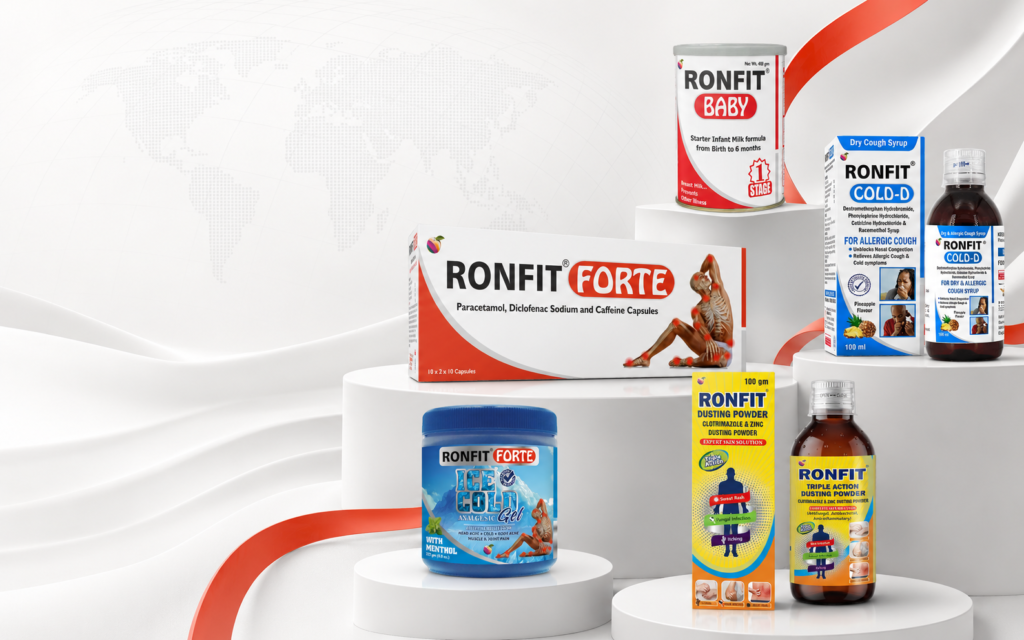
For an international distributor, a healthcare brand is easier to evaluate when the range is organised around recognisable categories rather than presented as a disconnected list of SKUs. Ronfit Forte is positioned for business-to-business conversations, with product families spanning nutrition, paediatric care, cold and flu, cough and throat, pain management, topical care and skin care.

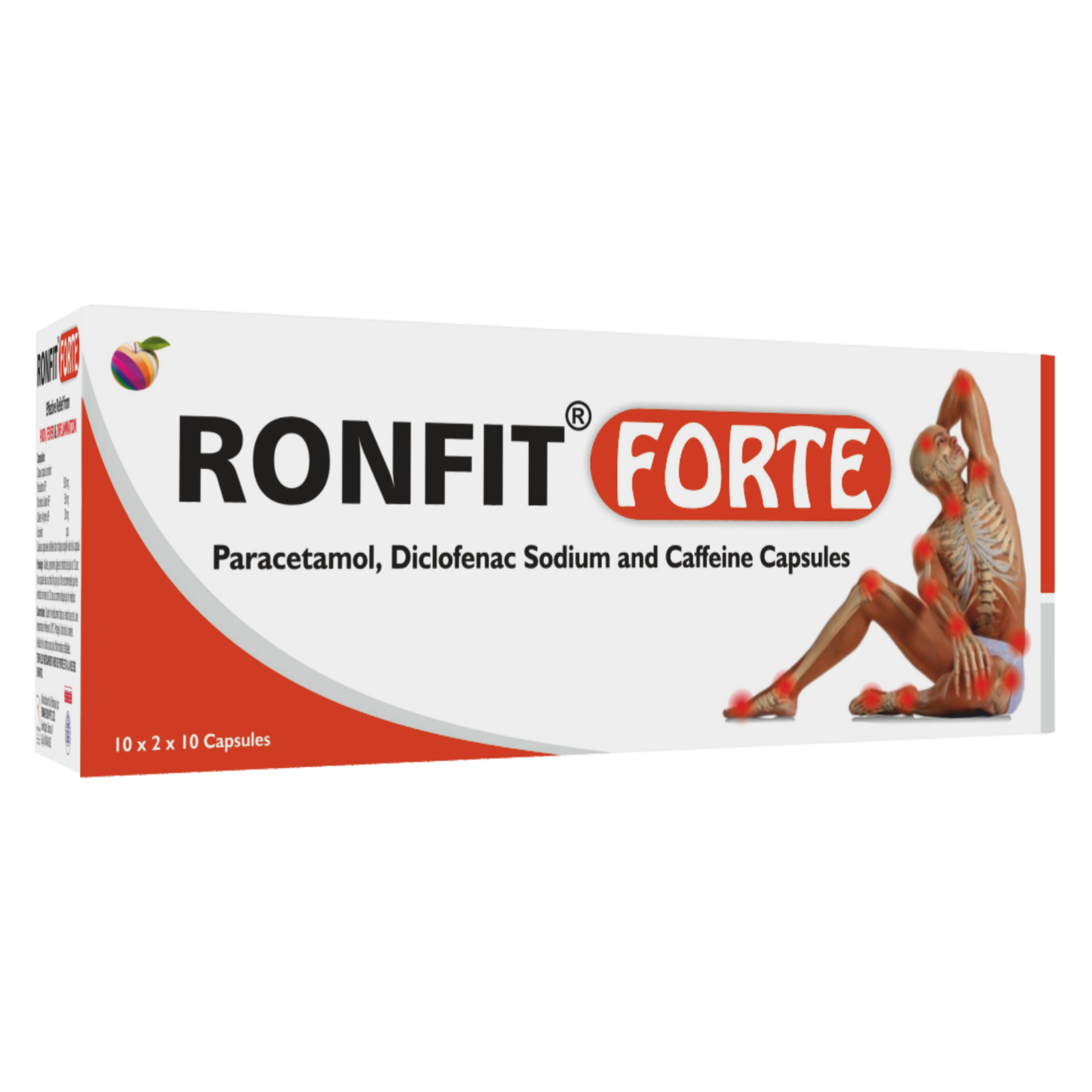
RONFIT FORTE Paracetamol, Diclofenac Sodium & Caffeine Capsules

A category-led portfolio is easier to buy

Distributors typically think in category blocks: what belongs in pharmacy, what fits modern trade, what complements an existing range and what can be presented as a coherent shelf story. A category-led portfolio makes it easier for purchasing, sales and merchandising teams to evaluate the offer together.

From a commercial point of view, this keeps the evaluation grounded in how the product will actually be bought, presented and supported. It also gives procurement, sales and regulatory colleagues a shared reference point instead of forcing each team to interpret the range differently.

What international buyers should review first

The first review should focus on fit rather than volume. Buyers should consider category relevance, pack format, shelf presentation, territory-specific documentation needs, product imagery and how easily the range can be explained to downstream customers.

For international business, clarity at this stage reduces avoidable back-and-forth later. The more precisely the buyer defines the requirement, the easier it is to compare options, request the right documents and keep commercial planning aligned with the realities of the destination market.

Why portfolio breadth can matter

A broader portfolio can reduce the number of supplier relationships a distributor manages, but breadth only creates value when the range remains understandable. Buyers can begin with one or two relevant categories and expand after registration, merchandising and sales processes are working smoothly.

This is especially important for a multi-category brand because one decision can affect product data, merchandising, artwork, registration and downstream sales materials. A consistent approach makes later updates easier to control across the distributor’s own systems.

Keep B2B presentation separate from consumer claims

A distributor website should make the brand easy to understand without adding unsupported medical claims, market-presence statistics or territory-specific promises. Product information should remain aligned with approved packaging and market requirements.

The practical goal is not to add more marketing language; it is to remove uncertainty. Buyers should be able to identify what is confirmed, what belongs to the approved product presentation and what still needs direct territory-specific discussion before a launch decision is made.

Move from review to a qualified enquiry

A useful enquiry includes the market, channel, business role and categories of interest. That gives the supplier enough context to respond with product, documentation and commercial information that is relevant to the buyer.

Viewed as part of the wider buyer journey, this step helps move the conversation from general interest to a usable shortlist. That is where B2B content becomes valuable: it gives the buyer enough structure to ask better questions and gives the supplier enough context to answer them accurately.

Practical next steps for business buyers

Use the portfolio to create a shortlist, note the exact product names or categories you want to discuss, and prepare the market and channel information needed for a useful response. This creates a cleaner path from online research to a direct business conversation.

  • Identify the target market and sales channel.
  • Shortlist the relevant categories or exact products.
  • Confirm the documentation and labelling questions already known for the territory.
  • Use official Ronfit Forte / Ronak Group contact channels for the next step.

Questions business buyers often ask

Is Ronfit Forte designed for direct consumer checkout?

The website is positioned as a B2B showcase and enquiry platform rather than a consumer e-commerce store.

Can a distributor discuss only one category?

Yes. A buyer can begin with the categories that fit its channel and discuss wider portfolio opportunities later.

Are market-specific approvals the same everywhere?

No. Registration, labelling, approved claims and documentation requirements vary by territory and must be confirmed for the target market.

Business and regulatory note: Availability, approved claims, labelling, documentation, registration requirements and commercial terms can vary by territory. International buyers should confirm market-specific requirements directly before placing an order or making regulatory or consumer-facing representations.

To continue the evaluation, explore the Ronfit Forte product portfolio, review the global business approach, or start a business partnership conversation.

Healthcare Product Distributor Partnership: What Importers Should Ask First

A productive healthcare distribution conversation begins with context. Importers often lose time when the first message asks only for best prices or a full catalogue without explaining the market, channel or product interest. A better opening gives both parties enough information to determine fit before detailed documentation and commercial work begins.

Healthcare Product Distributor Partnership: What Importers Should Ask First

Which market and channel are you buying for?

The target country and sales channel shape almost every later question. Pharmacy, wholesale, modern trade and mixed-channel buyers may require different pack presentations, documentation and merchandising support.

From a commercial point of view, this keeps the evaluation grounded in how the product will actually be bought, presented and supported. It also gives procurement, sales and regulatory colleagues a shared reference point instead of forcing each team to interpret the range differently.

Which categories are priorities?

A category shortlist helps the supplier understand the opportunity. Buyers can request the complete portfolio, but the priority categories should lead the conversation so the first response remains useful.

For international business, clarity at this stage reduces avoidable back-and-forth later. The more precisely the buyer defines the requirement, the easier it is to compare options, request the right documents and keep commercial planning aligned with the realities of the destination market.

What documentation is required in your territory?

Importers should arrive with at least a preliminary view of local registration and labelling requirements. The supplier can then confirm which documents are available and what additional preparation may be needed.

This is especially important for a multi-category brand because one decision can affect product data, merchandising, artwork, registration and downstream sales materials. A consistent approach makes later updates easier to control across the distributor’s own systems.

How will packaging and artwork be handled?

Healthcare packaging should be treated as controlled product information. Buyers should ask how existing artwork is supplied, how market-required changes are reviewed and which claims or labels can or cannot be modified.

The practical goal is not to add more marketing language; it is to remove uncertainty. Buyers should be able to identify what is confirmed, what belongs to the approved product presentation and what still needs direct territory-specific discussion before a launch decision is made.

What does a useful first enquiry include?

A concise message can be highly effective when it includes the market, company role, channel, categories of interest, known registration needs and a named contact.

Viewed as part of the wider buyer journey, this step helps move the conversation from general interest to a usable shortlist. That is where B2B content becomes valuable: it gives the buyer enough structure to ask better questions and gives the supplier enough context to answer them accurately.

Practical next steps for business buyers

Use the portfolio to create a shortlist, note the exact product names or categories you want to discuss, and prepare the market and channel information needed for a useful response. This creates a cleaner path from online research to a direct business conversation.

  • Identify the target market and sales channel.
  • Shortlist the relevant categories or exact products.
  • Confirm the documentation and labelling questions already known for the territory.
  • Use official Ronfit Forte / Ronak Group contact channels for the next step.

Questions business buyers often ask

Do I need to send expected order quantities in the first message?

Not necessarily. Market, channel and category interest are usually more important at the first stage.

Can an importer request a complete catalogue?

Yes, but it is still useful to identify the categories you want to evaluate first.

Should market-specific claims be taken from the website?

No. Approved claims and labelling should be confirmed for the intended territory and product.

Business and regulatory note: Availability, approved claims, labelling, documentation, registration requirements and commercial terms can vary by territory. International buyers should confirm market-specific requirements directly before placing an order or making regulatory or consumer-facing representations.

To continue the evaluation, explore the Ronfit Forte product portfolio, review the global business approach, or start a business partnership conversation.

B2B Healthcare Products from India: A Practical Sourcing Checklist

International buyers sourcing healthcare products from India still need a disciplined evaluation process. A good sourcing decision connects product fit with documentation, packaging, communication and market requirements rather than relying on catalogue size or country of origin alone.

B2B Healthcare Products from India: A Practical Sourcing Checklist

Define the buying brief before sourcing

Identify the target country, channel, priority categories and the type of commercial relationship you want. A clear brief makes supplier research more efficient and helps separate relevant partners from companies that simply have a large catalogue.

From a commercial point of view, this keeps the evaluation grounded in how the product will actually be bought, presented and supported. It also gives procurement, sales and regulatory colleagues a shared reference point instead of forcing each team to interpret the range differently.

Assess the portfolio as a system

Look for a range that is easy to understand and present. Category architecture, product naming, pack formats and visual consistency all affect how quickly procurement and sales teams can evaluate the offer.

For international business, clarity at this stage reduces avoidable back-and-forth later. The more precisely the buyer defines the requirement, the easier it is to compare options, request the right documents and keep commercial planning aligned with the realities of the destination market.

Check documentation and territory requirements

The documentation needed for import, registration and sale depends on product type and destination. Buyers should map those requirements early and ask the supplier to confirm what can be provided for the selected products.

This is especially important for a multi-category brand because one decision can affect product data, merchandising, artwork, registration and downstream sales materials. A consistent approach makes later updates easier to control across the distributor’s own systems.

Review supplier communication

Cross-border business creates practical questions around artwork, documents, shipping planning and changes. A clear response process is a sign that the supplier understands B2B workflow.

The practical goal is not to add more marketing language; it is to remove uncertainty. Buyers should be able to identify what is confirmed, what belongs to the approved product presentation and what still needs direct territory-specific discussion before a launch decision is made.

Plan the first commercial scope carefully

A focused initial assortment can reduce complexity. Buyers can prioritise categories with the strongest channel fit and expand later once registration, sales training and merchandising are established.

Viewed as part of the wider buyer journey, this step helps move the conversation from general interest to a usable shortlist. That is where B2B content becomes valuable: it gives the buyer enough structure to ask better questions and gives the supplier enough context to answer them accurately.

Practical next steps for business buyers

Use the portfolio to create a shortlist, note the exact product names or categories you want to discuss, and prepare the market and channel information needed for a useful response. This creates a cleaner path from online research to a direct business conversation.

  • Identify the target market and sales channel.
  • Shortlist the relevant categories or exact products.
  • Confirm the documentation and labelling questions already known for the territory.
  • Use official Ronfit Forte / Ronak Group contact channels for the next step.

Questions business buyers often ask

Is an India-based brand automatically registered for other countries?

No. Registration and compliance are market-specific and must be confirmed for the destination.

What should I ask for before discussing price?

Start with product shortlist, pack details and documentation requirements so the commercial discussion is based on a workable scope.

Can a distributor start with a limited category range?

Yes. A phased category approach is often easier to execute and can expand over time.

Business and regulatory note: Availability, approved claims, labelling, documentation, registration requirements and commercial terms can vary by territory. International buyers should confirm market-specific requirements directly before placing an order or making regulatory or consumer-facing representations.

To continue the evaluation, explore the Ronfit Forte product portfolio, review the global business approach, or start a business partnership conversation.

Importing Infant Nutrition Products: Packaging, Documentation and Market Checks

Importing infant nutrition products is not simply a matter of selecting a tin and arranging shipment. It requires an early review of product classification, labelling, documentation, local registration pathways and marketing restrictions.

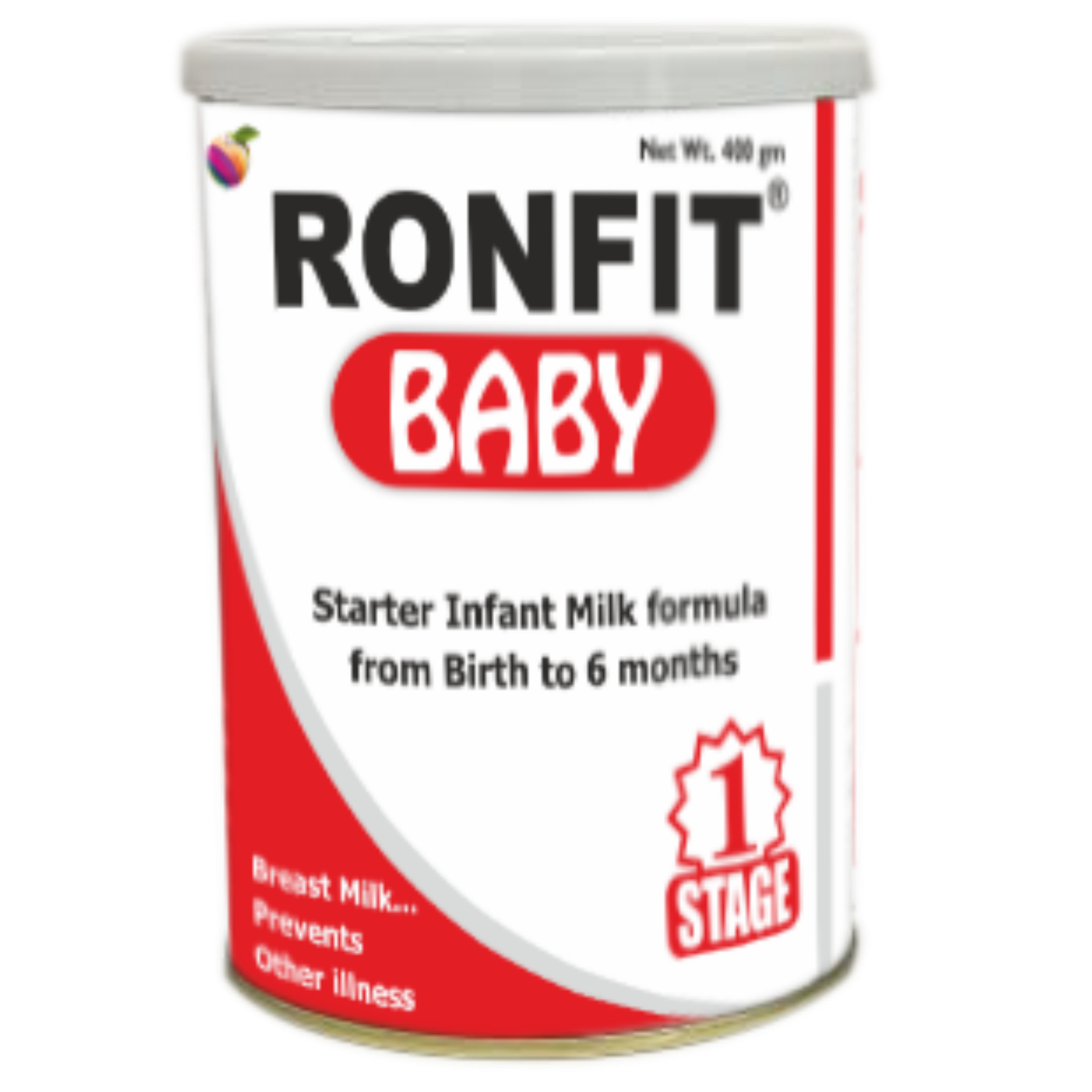
RONFIT BABY Stage 1 Starter Infant Milk Formula 400 g

Confirm the exact product and stage

Use the exact product title, stage and pack presentation in every document request so the regulatory file is matched to the correct SKU.

From a commercial point of view, this keeps the evaluation grounded in how the product will actually be bought, presented and supported. It also gives procurement, sales and regulatory colleagues a shared reference point instead of forcing each team to interpret the range differently.

Map destination-country requirements

The local importer or regulatory adviser should identify the authority, application route, labelling rules, language needs and any restrictions on marketing or promotion.

For international business, clarity at this stage reduces avoidable back-and-forth later. The more precisely the buyer defines the requirement, the easier it is to compare options, request the right documents and keep commercial planning aligned with the realities of the destination market.

Review packaging without unapproved changes

Packaging should be treated as controlled product information. Age or stage references, claims and mandatory statements should not be edited casually.

This is especially important for a multi-category brand because one decision can affect product data, merchandising, artwork, registration and downstream sales materials. A consistent approach makes later updates easier to control across the distributor’s own systems.

Separate trade information from consumer promotion

A B2B website can help importers understand the portfolio, but final consumer-facing claims should come from approved pack and territory-specific registration.

The practical goal is not to add more marketing language; it is to remove uncertainty. Buyers should be able to identify what is confirmed, what belongs to the approved product presentation and what still needs direct territory-specific discussion before a launch decision is made.

Build launch plans around confirmed inputs

Once the documentation pathway and product scope are clear, the importer can evaluate commercial quantities, logistics and sales planning with more confidence.

Viewed as part of the wider buyer journey, this step helps move the conversation from general interest to a usable shortlist. That is where B2B content becomes valuable: it gives the buyer enough structure to ask better questions and gives the supplier enough context to answer them accurately.

Practical next steps for business buyers

Use the portfolio to create a shortlist, note the exact product names or categories you want to discuss, and prepare the market and channel information needed for a useful response. This creates a cleaner path from online research to a direct business conversation.

  • Identify the target market and sales channel.
  • Shortlist the relevant categories or exact products.
  • Confirm the documentation and labelling questions already known for the territory.
  • Use official Ronfit Forte / Ronak Group contact channels for the next step.

Questions business buyers often ask

Can one registration file be used in every market?

Not automatically. Each market may have different product, label and importer requirements.

Is the website description enough for registration?

No. Registration should rely on the formal product and regulatory documentation required by the target authority.

Should an importer verify marketing restrictions separately?

Yes. Promotion and labelling controls should be reviewed in addition to product registration requirements.

Business and regulatory note: Availability, approved claims, labelling, documentation, registration requirements and commercial terms can vary by territory. International buyers should confirm market-specific requirements directly before placing an order or making regulatory or consumer-facing representations.

To continue the evaluation, explore the Ronfit Forte product portfolio, review the global business approach, or start a business partnership conversation.