
Cross-Category Healthcare Merchandising: Creating a More Coherent Range
A multi-category healthcare brand can create stronger trade visibility when categories feel connected, but cross-category merchandising should still preserve clear product and category boundaries.
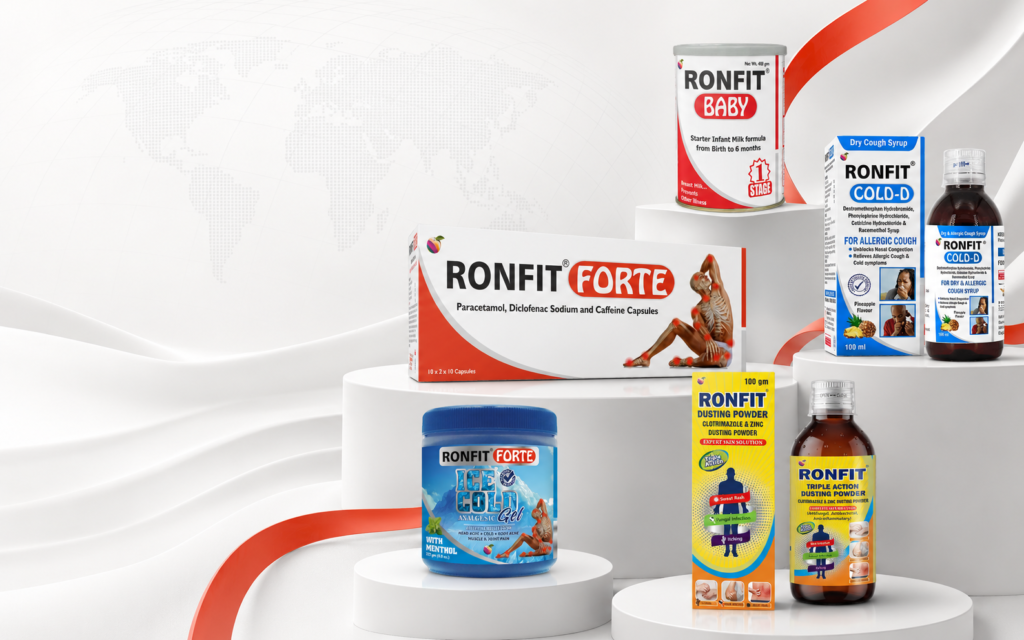
Use one brand system, multiple category stories
The master brand should remain recognisable while each category keeps its own visual and product logic.
From a commercial point of view, this keeps the evaluation grounded in how the product will actually be bought, presented and supported. It also gives procurement, sales and regulatory colleagues a shared reference point instead of forcing each team to interpret the range differently.
Create portfolio-level trade materials
A corporate portfolio image or catalogue can show breadth, then direct buyers into category pages for detail.
For international business, clarity at this stage reduces avoidable back-and-forth later. The more precisely the buyer defines the requirement, the easier it is to compare options, request the right documents and keep commercial planning aligned with the realities of the destination market.
Keep category claims separate
Cross-category design should not create the impression that one product’s claims apply to another.
This is especially important for a multi-category brand because one decision can affect product data, merchandising, artwork, registration and downstream sales materials. A consistent approach makes later updates easier to control across the distributor’s own systems.
Use adjacency strategically
Related categories can be presented together where useful, but exact merchandising plans depend on local store format and rules.
The practical goal is not to add more marketing language; it is to remove uncertainty. Buyers should be able to identify what is confirmed, what belongs to the approved product presentation and what still needs direct territory-specific discussion before a launch decision is made.
Think of merchandising as a sales tool
A coherent portfolio makes it easier for distributor sales teams to demonstrate breadth and identify cross-selling opportunities.
Viewed as part of the wider buyer journey, this step helps move the conversation from general interest to a usable shortlist. That is where B2B content becomes valuable: it gives the buyer enough structure to ask better questions and gives the supplier enough context to answer them accurately.
Practical next steps for business buyers
Use the portfolio to create a shortlist, note the exact product names or categories you want to discuss, and prepare the market and channel information needed for a useful response. This creates a cleaner path from online research to a direct business conversation.
- Identify the target market and sales channel.
- Shortlist the relevant categories or exact products.
- Confirm the documentation and labelling questions already known for the territory.
- Use official Ronfit Forte / Ronak Group contact channels for the next step.
Questions business buyers often ask
Should all healthcare categories use identical design?
No. They should share a recognisable brand system while retaining clear category differentiation.
Can one category’s claims be used for another?
No. Product-specific claims should remain tied to the applicable approved product information.
Why create portfolio-level trade images?
They help buyers understand breadth quickly before exploring individual categories.
Business and regulatory note: Availability, approved claims, labelling, documentation, registration requirements and commercial terms can vary by territory. International buyers should confirm market-specific requirements directly before placing an order or making regulatory or consumer-facing representations.
To continue the evaluation, explore the Ronfit Forte product portfolio, review the global business approach, or start a business partnership conversation.